
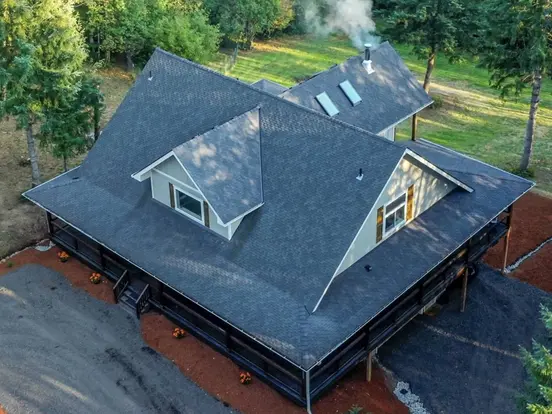
Roof Replacement
Complete tear-off, disposal, decking repair, underlayment, and a new roof installed as one system.
Get $1,000 Off Your Full Roof Replacement + a Free Attic & Ventilation Inspection. Claim offer
Roofing services
In the Pacific Northwest, the biggest threat to many attics isn’t summer heat — it’s winter moisture. Balanced roof ventilation with ridge vents and intake vents moves damp air out before it condenses on the roof deck, helping protect your sheathing, insulation, and shingles.
A ventilated attic breathes from the bottom up. Intake vents low on the roof — at the soffits or along the eaves — let fresh outside air in, and exhaust vents high on the roof, such as a continuous ridge vent, let warm, moist air out. When intake and exhaust are balanced, air moves steadily across the underside of the roof deck.
Many attics in older and even newer homes don’t work that way. Soffit vents get blocked by insulation, intake is missing entirely, or different exhaust types — a ridge vent plus box vents or gable vents — short-circuit each other so the lower attic never gets fresh air. Correcting ventilation is a standard part of a roof replacement, and it can often be improved on its own.
Northwest attics
During cool, damp winters, the roof deck is colder than the warm, humid air that rises from the living space into the attic. When that moist air meets cold sheathing and nail tips, it condenses — and the drips can look exactly like a roof leak, even on dry days.
Over time, trapped moisture can stain and soften the decking, grow mold on the underside of the sheathing, and dampen insulation. Balanced ventilation carries that moisture out. Reducing the moist air reaching the attic — for example, by making sure bathroom and kitchen fans vent outdoors — helps too.
Warning signs
Not sure what you’re looking at? Photos from the ground with a zoom lens or from inside the attic are a safe way to check. Please don’t climb onto a wet or steep roof.
Scope
Your estimate shows the intake and exhaust plan for your attic, so you know what’s being added, removed, or closed off.
The roof as a system
A continuous vent along the peak of the roof, covered with ridge caps so it blends in. Lets warm, moist air escape along the full length of the ridge.
Soffit or eave vents low on the roof that let fresh air in. Without enough intake, exhaust vents can’t work properly.
Individual box vents near the ridge. Used where a ridge vent isn’t practical, such as on some hip roofs with short ridges.
Vents in the gable walls. Combined with a ridge vent, they can short-circuit airflow, so they’re evaluated as part of the whole system.
The open area a vent provides. Codes commonly base minimum ventilation on attic floor area — for example, 1 square foot of vent area per 150 square feet of attic, or per 300 under certain conditions.
Process
The attic is checked for moisture, staining, insulation coverage, and existing vents where it’s safely accessible.
Intake and exhaust are sized and balanced for your attic, and conflicting vents are identified.
You review the ventilation plan and how it fits with any other roofing work.
Ridge vents are cut in, intake is added or opened up, and unneeded vents are closed off and flashed.
Watch the attic through the next cold, damp stretch — a well-ventilated attic should stay drier.
Cost factors
Ventilation is most cost-effective during a roof replacement, when the ridge and roof edges are already open.
Where we work
Cool, wet winters in Clark County and the Portland metro make attic condensation one of the most common “leaks” we see that isn’t a leak at all. We improve roof ventilation for homes in Vancouver, Portland, and nearby communities.
FAQ
Often, yes. Ridge vents can be cut in and capped, and intake can be added or opened up on an existing roof. Some upgrades are easier during a replacement, which we’ll explain.
A continuous ridge vent exhausts air evenly along the whole peak and blends in with the roof. Box vents work where the ridge is short. What matters most is that exhaust is balanced with enough intake.
Mixing different exhaust types can do more harm than good — for example, a ridge vent and gable vents together can pull air in through the wrong vents and leave parts of the attic stagnant. More vents aren’t always better; balanced vents are.
It’s likely condensation from warm, humid household air meeting the cold roof deck. Better ventilation and making sure bath and kitchen fans vent outside usually help.
Shingle manufacturers address attic ventilation in their installation requirements, and poor ventilation can affect warranty coverage. Check the specific warranty terms for your shingles.
Roofing estimate
Tell us what you’re noticing in the attic — drips, frost, stains, or heat — and we’ll follow up about a ventilation assessment.

Step 5 of 5 · Optional instant booking
Our team will notify you within 24 hours. You can also book your estimate instantly below.
Loading available times…
Calendar not loading? Open Calendly or call us. Booking confirmation appears here only for bookings completed in this form.
Our team will notify you within 24 hours to arrange your free estimate.
Free & no obligation · Takes about 30 seconds · Licensed, Bonded & insured
Related services
Complete tear-off, disposal, decking repair, underlayment, and a new roof installed as one system.
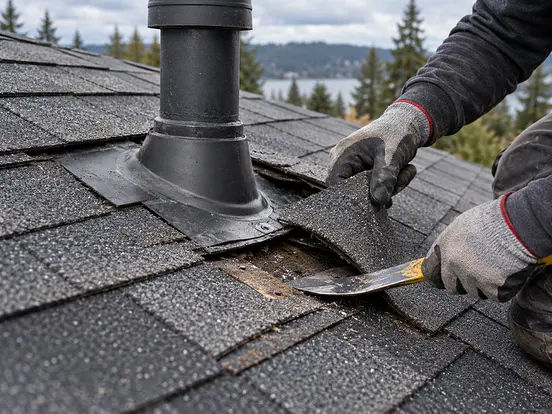
Leak tracing, damaged shingle replacement, localized repairs, and emergency tarping.
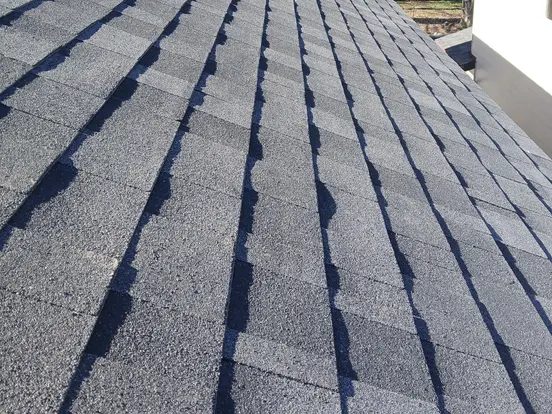
Architectural and designer shingles — including GAF Grand Sequoia — installed for Northwest weather.
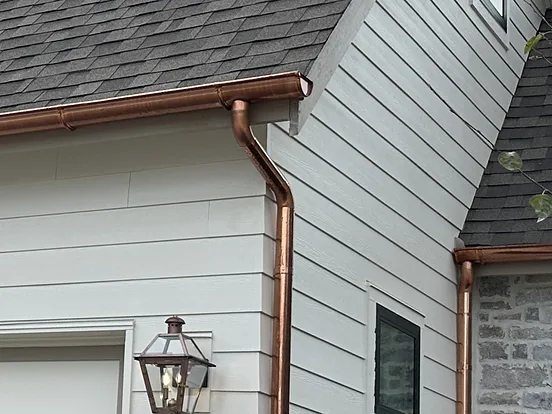
Seamless gutters and downspouts formed to fit your home and sized to carry Northwest rain away.
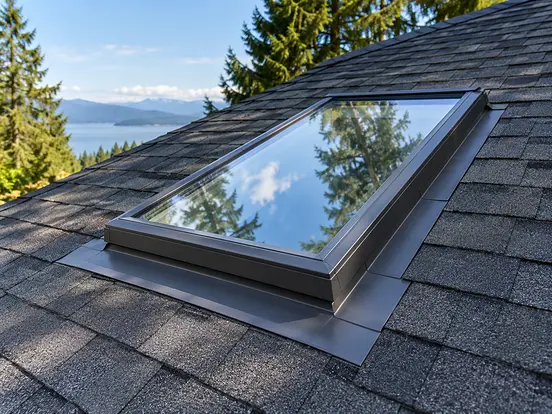
Skylight replacement, reflashing, and leak repair — on its own or during a reroof.
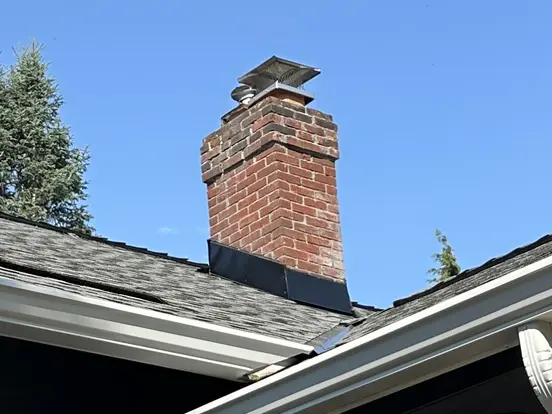
Chimney flashing, counterflashing, step flashing, and roof crickets that stop leaks at the source.
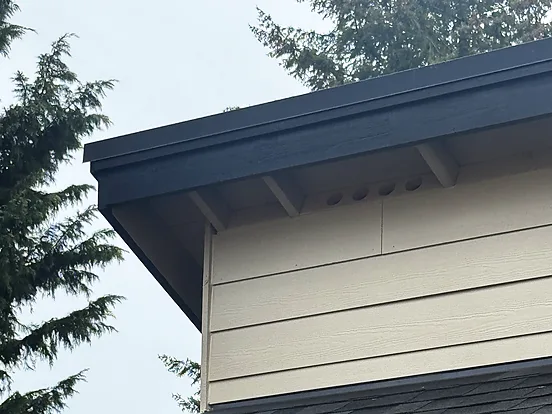
Rotted or damaged fascia and bargeboards replaced so gutters and roof edges have solid backing.

A documented look at your roof’s condition so you can decide between repair, replacement, or waiting.
No-pressure estimates for homes in Vancouver, WA and Portland, OR.