
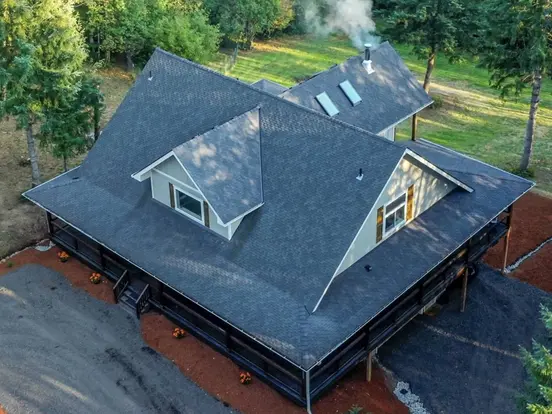
Roof Replacement
Complete tear-off, disposal, decking repair, underlayment, and a new roof installed as one system.
Get $1,000 Off Your Full Roof Replacement + a Free Attic & Ventilation Inspection. Claim offer
Roofing services
A roof leak, a few missing shingles after a windstorm, or a stain on the ceiling doesn’t always mean you need a new roof. A focused, localized repair can stop the problem and buy your roof more years of service — and when water is coming in now, a temporary tarp keeps it out until the permanent fix.
Roof repair addresses a specific problem on an otherwise serviceable roof. The goal of roof leak repair is to find the actual source of the water — which is often not directly above the stain on your ceiling — and fix it so water stays out.
Common repairs include replacing damaged or missing shingles, localized repairs to a section of roof, resealing or replacing flashing around chimneys, walls, and skylights, replacing cracked pipe boots and damaged vents, and repairing damaged decking and framing. When a roof is near the end of its life, another repair may not be the best use of your money — that’s the time to weigh it against replacement.
Temporary tarping
When a windstorm tears off shingles or a falling branch punctures the roof, the first priority is keeping water out. A tarp secured over the damaged area protects the decking, insulation, and ceilings below until a permanent repair can be made in dry weather.
Tarping is a temporary measure, not a repair. Once the weather allows, the damaged area is opened up, the source is repaired, and the roof is rebuilt so it sheds water correctly. If you plan to file an insurance claim, take photos of the damage before and after the tarp goes on.
Roof decking & sheathing
When a leak has gone on for a while, water soaks into the plywood or OSB decking under the shingles. Once a section of sheathing is soft or delaminated, new shingles won’t hold properly over it — so a lasting repair has to fix the deck, not just the surface.
For a localized repair, the shingles and underlayment around the damage are removed, the damaged sheathing is cut back to solid framing and replaced, and the underlayment and shingles are rebuilt and woven into the surrounding roof. If decking damage turns out to be widespread, we’ll explain whether a full replacement with new decking makes more sense.
Structural repairs
Long-term leaks, heavy layers of old roofing, past remodels, and storm damage can all weaken the framing that holds your roof up. When damage is found in the attic or during a tear-off, we handle the specific structural repairs listed here.
When the repair calls for it, we work with a structural engineer who reviews the damage and specifies the repair, so the fix is documented and ready for a permit where one is required.
Warning signs
Not sure what you’re looking at? Photos from the ground with a zoom lens or from inside the attic are a safe way to check. Please don’t climb onto a wet or steep roof.
Scope
Repair scope is defined in writing so you know what is being fixed, what was observed nearby, and what isn’t covered by the repair.
The roof as a system
The metal at chimneys, sidewalls, valleys, and skylights. Flashing that’s loose, rusted, or was installed without proper overlaps is one of the most common leak sources. See flashing and chimney leak repair.
Plumbing vent pipes, exhaust vents, and other openings. Rubber pipe boots dry out and crack over time.
Wind can lift and crease shingles, breaking the seal that keeps them flat. Missing shingles expose the underlayment, which isn’t meant to be the only barrier for long.
Where two roof slopes meet, water volume is concentrated. Debris and moss can build up and slow drainage.
Aging skylight flashing and curbs are a frequent leak source. See skylight replacement and repair.
Not every attic drip is a roof leak. Poor ventilation can cause condensation on the underside of the decking in cold, damp weather.
Process
Tell us where you see water or damage and when it happens — during heavy rain, wind-driven rain, or all the time.
If water is actively coming in, the damaged area can be tarped until a permanent repair can be made.
The roof (and attic, where accessible) is inspected to trace the leak path and check related components, decking, and framing.
The recommended repair, any alternatives, and whether the roof’s overall condition makes replacement worth considering are explained before work begins.
Damaged components are replaced and detailed so water is shed correctly.
Cost factors
Small repairs and larger leak investigations can differ widely, so we provide pricing for your specific repair rather than a published rate.
Where we work
Winter east winds off the Columbia River Gorge and long rainy seasons keep roofers busy on both sides of the river. We repair roofs and track down leaks for homeowners in Vancouver, Camas, Salmon Creek, Portland, and nearby communities.
FAQ
Sometimes. If the damage is isolated and the rest of the roof is sound, a repair can make sense. If the roof is worn across most of its surface, money spent on repeated repairs may be better put toward replacement. Our repair vs. replacement guide explains the trade-offs.
Yes. If wind or a fallen branch has opened up your roof, call (360) 803-1509. A tarp keeps water out until the permanent repair can be made in dry weather.
Leaks that show up only in wind-driven rain often point to flashing, siding-to-roof transitions, or lifted shingles that let water in when rain comes from a particular direction. Leaks that appear in any rain are more likely from an open hole, a failed pipe boot, or missing shingles.
Yes. We sister cracked or broken truss members, repair or replace damaged gusset plates, and reinforce sagging rafters. When the repair calls for it, a structural engineer reviews the damage and specifies the fix.
Shingle colors and product lines change over time, and older shingles weather. A close match is often possible, but an exact match isn’t always available. We’ll talk about the options before the repair.
Not always. Plumbing leaks, condensation from poor attic ventilation, and debris dams in gutters can also cause stains. Tracing the source is the first step.
Coverage depends on your policy and on the cause of the damage, and only your insurer can decide a claim. If you plan to file a claim, contact your insurance company and keep photos of the damage.
Roofing estimate
Describe what you’re seeing — and where — and we’ll follow up about a repair. If water is actively coming in, calling is the fastest way to reach us.

Step 5 of 5 · Optional instant booking
Our team will notify you within 24 hours. You can also book your estimate instantly below.
Loading available times…
Calendar not loading? Open Calendly or call us. Booking confirmation appears here only for bookings completed in this form.
Our team will notify you within 24 hours to arrange your free estimate.
Free & no obligation · Takes about 30 seconds · Licensed, Bonded & insured
Related services
Complete tear-off, disposal, decking repair, underlayment, and a new roof installed as one system.
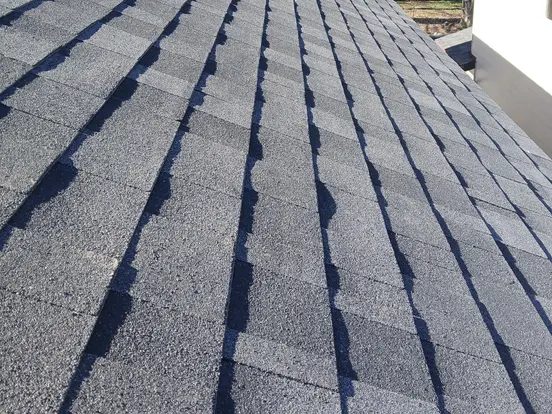
Architectural and designer shingles — including GAF Grand Sequoia — installed for Northwest weather.
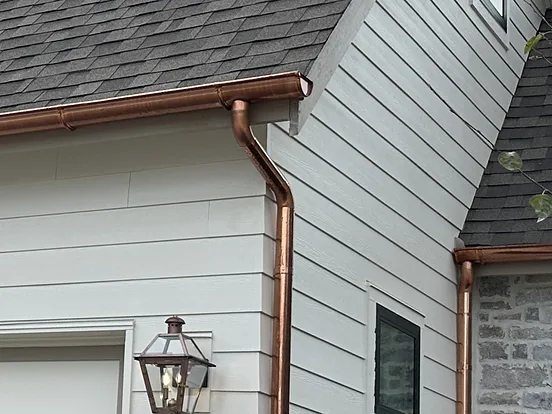
Seamless gutters and downspouts formed to fit your home and sized to carry Northwest rain away.
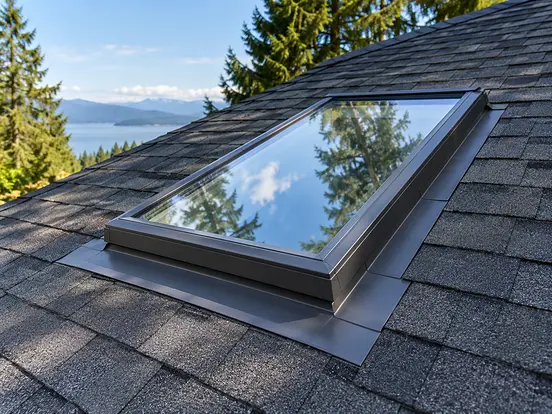
Skylight replacement, reflashing, and leak repair — on its own or during a reroof.
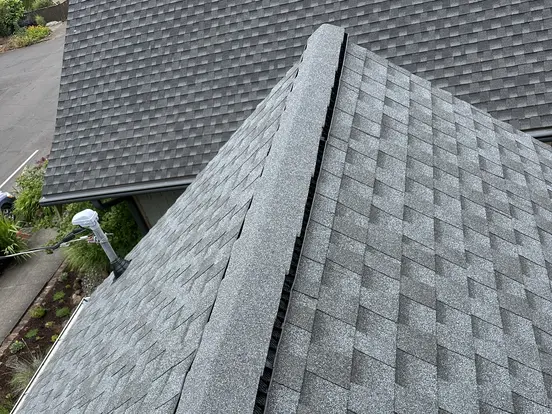
Ridge vents, intake vents, and balanced attic airflow to fight condensation, heat, and moisture.
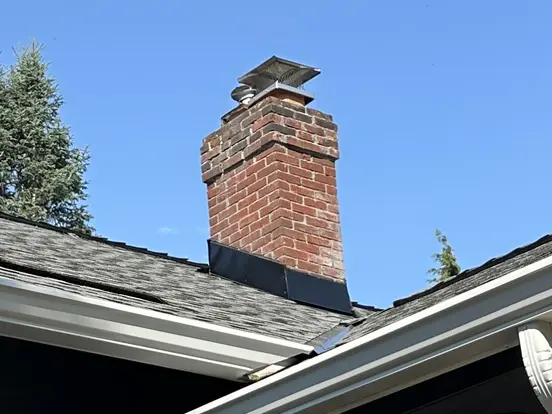
Chimney flashing, counterflashing, step flashing, and roof crickets that stop leaks at the source.
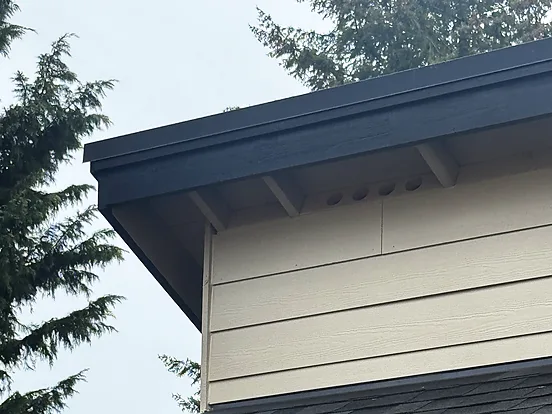
Rotted or damaged fascia and bargeboards replaced so gutters and roof edges have solid backing.
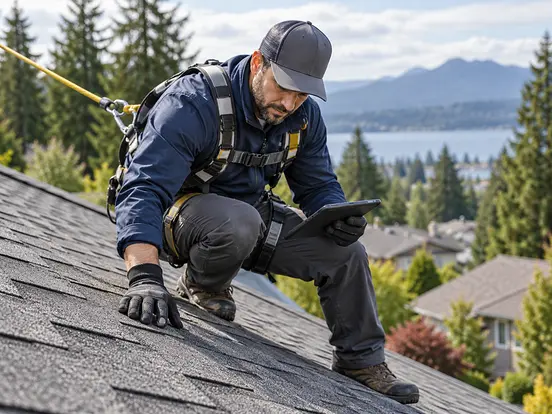
A documented look at your roof’s condition so you can decide between repair, replacement, or waiting.
No-pressure estimates for homes in Vancouver, WA and Portland, OR.