
Serving homeowners in Oregon City, OR
Roof Replacement in Oregon City, OR
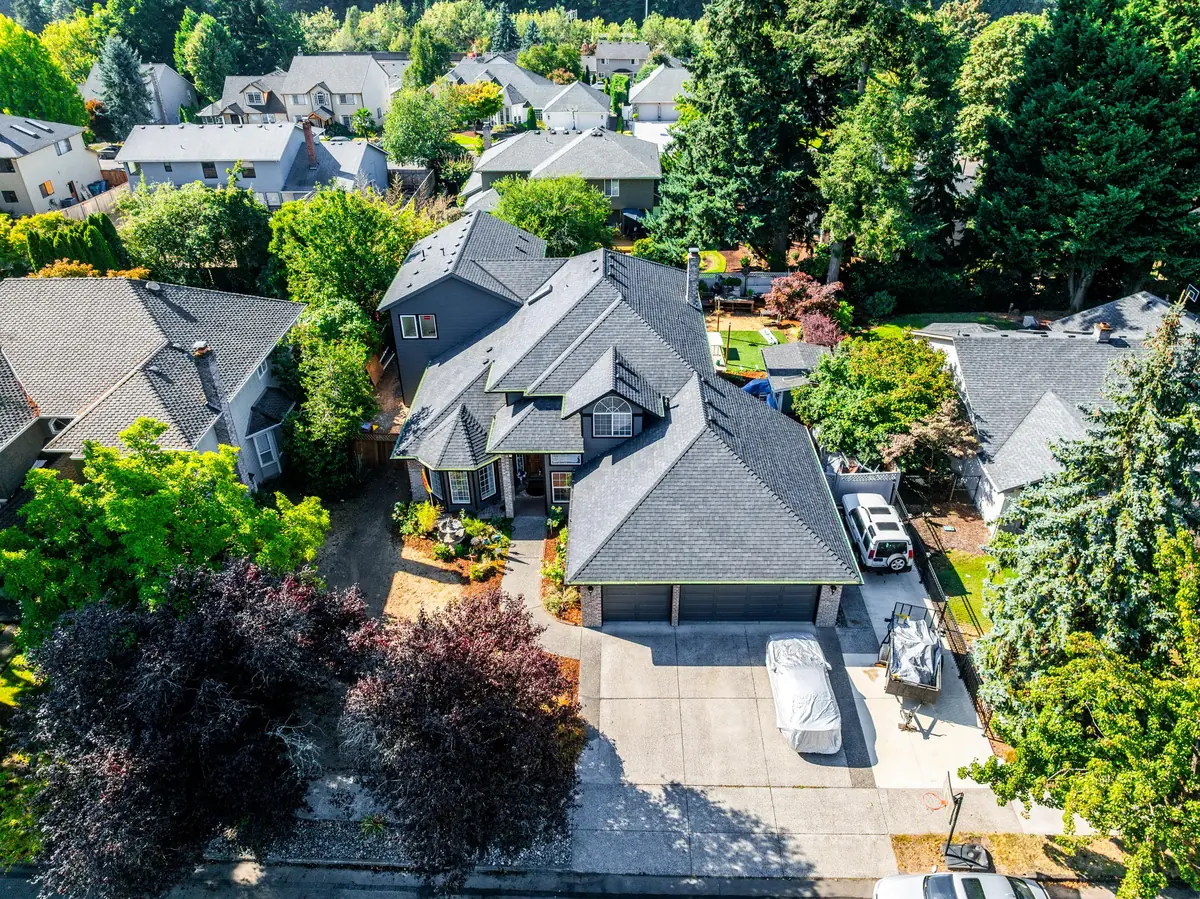
Replacing shingles without addressing the rest of the roof can leave existing problems in place. An Oregon City roof replacement scope should explain decking evaluation, underlayment, flashing, ventilation, and how these components will work together. Big Bear Exteriors serves Oregon City homeowners from our Vancouver office, and our estimates describe each of those layers in writing.
Condition-based replacement
Shingles are the top layer — an Oregon City roof is the whole stack
From the street, a roof looks like shingles. In practice it is a stack of parts that each do a job: the deck that holds fasteners, the underlayment that backs up the shingles, membranes in the places water concentrates, metal flashing at every edge and intersection, vents that let the attic breathe, and finally the shingles that shed most of the rain. When one layer has failed, new shingles on top don’t fix it.
That is the practical difference between “replacing shingles” and “replacing a roof system.” An overlay, where new shingles go over old ones, leaves the deck and the old flashing hidden. A full tear-off removes everything down to the deck so its condition can be seen, then rebuilds each layer. Tear-off costs more in labor and disposal, but it is the only way to find soft sheathing, rusted flashing, or a missing membrane in a valley.
The decision should follow the roof’s actual condition. Start with what you have noticed: leaks in more than one place, stains that come back, a sagging line between rafters, attic moisture in winter, or shingles that are curling across whole slopes. An inspection then connects those symptoms to causes. If the cause is a single pipe boot, a repair is reasonable. If it points to worn shingles, aging flashing, and ventilation that never worked well, replacing the system is the more durable answer.
Ask any contractor how the components will work together on your roof. Will the intake vents at the eaves match the exhaust near the ridge? Will new flashing be installed at walls and chimneys, or old metal reused? Where will membrane go? These details decide whether the new roof performs as a system or just looks new.
Roof-system checklist for an Oregon City replacement
- Deck: how will it be checked, and how are repairs priced and approved?
- Underlayment: what product covers the full deck?
- Membrane: which valleys, eaves, and penetrations get self-adhering membrane?
- Flashing: new or reused at walls, chimneys, and skylights?
- Edges: is new drip edge included at eaves and rakes?
- Ventilation: what intake and exhaust are planned, and do they balance?
- Shingles: which line, color, and matching hip and ridge caps?
Repair or replace
Is the problem one component, or the whole system?
The useful question isn’t “how old is the roof?” but “which layer is failing, and how widely?”
Often still a repair
- A single failed component — a cracked pipe boot, a loose vent, or one length of flashing — with sound roofing around it
- Wind damage limited to a few shingles on a roof that is otherwise flexible and intact
- Attic moisture traced to a blocked vent that can be cleared or added without reroofing
Points toward replacement
- Shingles worn across most slopes, combined with aging flashing and underlayment
- Leaks in several places that point to more than one failing layer
- Soft or sagging decking visible from the attic, which can’t be properly addressed without tear-off
Moss, stains, or a roof’s age alone don’t settle the question, and remaining life can’t be promised from a photo. An on-site roof inspection is the way to know. See also roof repair vs. replacement.
Scope
What an Oregon City roof system scope should spell out
Every layer should appear in writing so you can see that the roof is being rebuilt, not just recovered. The scope should include full tear-off, a decking review once the deck is exposed, underlayment, membranes where specified, flashing, drip edge, vents and pipe boots, the shingle installation, and cleanup. Decking that is damaged is photographed and reviewed with you before it is replaced, at the per-sheet price listed in the estimate, so the approval step is part of the plan.
Permits: requirements depend on the city or county with authority over the property — which isn’t always the city in the mailing address — and on the scope, such as whether sheathing or framing is replaced. Ask whether your project needs a permit and who will obtain it before work is scheduled.
Items your written scope should cover
- Full tear-off of all existing layers, with disposal
- Deck review after exposure, with a per-sheet replacement price
- Underlayment across the entire deck
- Self-adhering membrane at valleys and penetrations where specified
- New flashing at walls, chimneys, and skylights
- Drip edge at eaves and rakes
- Intake and exhaust ventilation suited to the attic
- New pipe boots, vents, and hip and ridge caps
Cost factors
What moves the cost of a full roof system in Oregon City
A full system replacement is priced from the measured roof area, then adjusted for pitch, access, the number of old layers that must be torn off and hauled away, and the number of valleys, chimneys, and other penetrations that need flashing and membrane. Ventilation changes and the shingle line selected add their own line items. A roof with two or three old layers under the current shingles carries more removal and disposal cost than one with a single layer.
The deck is the main unknown. Decay under an old roof is usually invisible from outside and only partly visible from the attic, so a fixed allowance would either overcharge or undercharge. Instead, the estimate lists a price per sheet, and damaged areas are shown to you before they’re replaced. That keeps the budget tied to what is actually found on your Oregon City roof.
More detail: what affects roof replacement cost and what a roofing estimate should include.
How to compare Oregon City proposals
- Does each proposal include full tear-off, or an overlay?
- Are underlayment, membrane, and flashing named, not just “materials”?
- Is ventilation addressed, or left out?
- Is decking priced per sheet with photos before replacement?
- How many existing layers does each bid assume?
- What workmanship coverage applies, separate from the manufacturer’s warranty?
Process
How a Big Bear roof replacement runs
On-site estimate
A roofing specialist walks the roof, checks shingles, flashing, and ventilation, takes photos, gathers measurements, and emails you a detailed estimate.
Review and sign
You go over the written scope and options. When you are ready, you accept the estimate online with an e-signature and we schedule the installation date.
Tear-off and installation
The crew protects the property, removes the old roof, reviews the decking with you where repairs are needed, and installs the new roof system.
Cleanup and follow-up
Debris is hauled away, the property is checked for nails and scrap, and you receive follow-up messages and photo documentation of the work.
Getting ready for a full roof replacement
A full tear-off is a big day for the house. These steps make it smoother.
- Clear attic storage directly under the roof deck, where practical, to limit dust and fallen debris
- Take down wall hangings on top-floor rooms that might shift from vibration
- Move cars out of the garage and driveway before materials arrive
- Mark sprinkler heads, low lights, and fragile plants near the house
- Tell us about past leaks or repairs so those areas get extra attention
The roof as a system
What goes into a complete new roof
Big Bear focuses on steep-slope asphalt shingle roofs, including architectural shingles and designer lines such as GAF Grand Sequoia. We don’t install flat or low-slope roofing. Exact components depend on your roof’s design, applicable code, and the manufacturer’s instructions.
Decking
The plywood, OSB, or board sheathing the roof is fastened to. It is checked once the old roof is off.
Underlayment and membranes
A water-resistant layer over the deck, with self-adhering membrane at vulnerable areas where specified.
Flashing
Metal at walls, chimneys, valleys, and skylights that turns water back onto the roof surface.
Roof edges
Drip edge at eaves and rakes, and starter courses that seal the first row of shingles.
Penetrations
Pipe boots, vents, and other openings, each sealed to suit the new roof.
Shingles
Architectural or designer asphalt shingles, installed to the manufacturer’s instructions for your roof’s pitch.
Ventilation
Intake and exhaust that suit the attic. What a given roof needs depends on its design, code, and the manufacturer.
Who you’re working with
Big Bear Exteriors serves homeowners in Oregon City, OR from our office at 1104 Main St, Ste 610, Vancouver, WA.
Washington L&I # SERDEGL826PD · Oregon CCB # 239429
Licensed general contractor in WA & OR · Bonded & insured
You can check our registration with the Oregon CCB. How our workmanship coverage and manufacturer warranties differ is explained on our warranty page.
Nearby service areas
- Roof replacement in West Linn, OR
- Roof replacement in Clackamas, OR
- Roof replacement in Happy Valley, OR
- Roof replacement in Milwaukie, OR
See residential roof replacement or all service areas. Not sure about your address? Contact us.
FAQ
Roof replacement questions from Oregon City, OR homeowners
What is the difference between replacing shingles and replacing a roof system?
Replacing shingles only, often as an overlay, puts a new surface over what is already there. Replacing the roof system removes everything to the deck, checks and repairs the decking, then installs new underlayment, membranes, flashing, edges, vents, and shingles that work together. The system approach costs more up front but deals with hidden problems instead of covering them.
Can new shingles go over my existing Oregon City roof?
An overlay is sometimes allowed, but it hides the deck and the old flashing, adds weight, and can affect manufacturer warranty eligibility. It also leaves you with two layers to remove at the next replacement. A full tear-off lets problems underneath be found and fixed. Ask any contractor what their estimate assumes and why.
Why does ventilation matter if my roof doesn’t leak?
Attic ventilation helps manage heat and moisture from the house. When it doesn’t work well, condensation can form on the underside of the deck in cold weather, which can look like a leak and can damage sheathing over time. Shingle manufacturers also address ventilation in their installation requirements. See roof ventilation.
What happens if the framing under my roof is damaged?
Most tear-offs find decking issues, not framing issues. If rafters or trusses are damaged or sagging, that is a separate repair, and we work with a structural engineer when needed. You’d review the findings and the proposed fix before anything changes. See truss and rafter repairs.
Is my home under the City of Oregon City for permits?
Not always. Some homes with Oregon City mailing addresses may sit in unincorporated Clackamas County. The authority for your property address determines where any permit comes from. Ask whether your project needs a permit and who will obtain it before work is scheduled.
Roofing estimate
Request a roof replacement estimate in Oregon City, OR
Tell us about your Oregon City home and your current roof. Include your address so we can confirm it’s in our service area.
- Prefer to talk? Call (360) 803-1509
- Share photos of the problem through our contact form

Step 5 of 5 · Optional instant booking
Your request is in. Want to pick a time now?
Our team will notify you within 24 hours. You can also book your estimate instantly below.
Loading available times…
Calendar not loading? Open Calendly or call us. Booking confirmation appears here only for bookings completed in this form.
Thanks! Your estimate request is received.
Our team will notify you within 24 hours to arrange your free estimate.
Free & no obligation · Takes about 30 seconds · Licensed, Bonded & insured
Planning a roof replacement in Oregon City?
Call or send a request, and we’ll follow up to talk through your new roof.